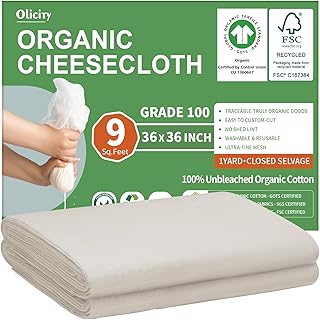
For centuries, a simple, unassuming fabric has been a silent workhorse in kitchens, dairies, and craft rooms. Cheesecloth, a loosely woven cotton gauze, is far more than its name implies. While its primary historical use was in cheese making—to drain curds and shape wheels—its versatility has cemented its place as an essential tool for modern home cooks, bakers, and DIY enthusiasts. Understanding the different types, grades, and features available can transform how you approach tasks from straining stocks to creating homemade yogurt.
Understanding Cheesecloth Grades: From Coarse to Ultra-Fine
The most critical factor in selecting a cheesecloth is its grade, which refers to the thread count and weave tightness. Grades typically range from 10 (very open weave) to 100 (ultra-dense). For most culinary applications, Grade 100 cheesecloth is the gold standard. This butter muslin features an exceptionally fine mesh that can trap even the tiniest particles, making it perfect for straining fine consommés, clarifying butter, or making soft cheeses like ricotta where no grit is desired. Products like the Cotton Farm Grade 100 XL Cheese Cloth exemplify this ultra-dense quality, ensuring nothing slips through but liquid.
Key Features to Look For in Quality Cheesecloth
Beyond grade, several features determine a cheesecloth's performance and longevity. First, material: 100% unbleached cotton is preferred for food-grade fabric as it contains no chemical residues. Look for reusable options with finished edges, like hemmed or serged edges, which prevent fraying and make the cloth much more durable. The 12Pcs Reusable Cheese Cloths with four hemmed edges are a prime example, designed for multiple washes. Size matters too; common precut sizes like 20x20 inches or 36x36 inches offer convenience. For those committed to organic practices, GOTS-certified options like the Organic Cheese Cloths provide an eco-friendly choice.
Culinary Uses: Far Beyond Cheese Making
The culinary applications for cheesecloth are vast. It's indispensable for food straining: clarifying broths, making nut milks, and straining yogurt to create Greek-style or labneh. When cooking turkey or large roasts, a cheesecloth soaked in butter or oil draped over the bird promotes even browning and prevents the skin from burning. It's also a key tool for bundling herbs into a bouquet garni or wrapping spices for easy removal from a pot. For bakers, it's perfect for draining canned fruits or wrapping citrus for zesting. A versatile pack like the 6-Pack Beige Cheesecloth is ideal for keeping on hand for these diverse tasks.
Crafting and Other Household Applications
Outside the kitchen, cheesecloth is a favorite among crafters. Its soft, malleable nature makes it excellent for DIY crafts such as ghost decorations, costume creation, or as a base for papier-mâché. It can be used as a gentle polishing cloth, for filtering paint, or even in garden pest control. The breathable fabric is also useful for wrapping and curing homemade soaps or candles. Having a multi-pack dedicated to craft supplies, such as the Mostdream Cheese Cloths 10-pack, ensures you always have material ready for creative projects without dipping into your kitchen stock.
Care, Sustainability, and Making the Right Choice
Investing in reusable cheesecloth is both economical and sustainable. After use, simply rinse under cold water to remove food particles, then wash in warm soapy water. It can be machine washed on a gentle cycle and air-dried or tumble-dried on low. Avoid using fabric softener, as it can clog the mesh. When choosing, consider your primary use. For heavy-duty, frequent straining, a durable, large-format cloth like the High-Grade 100 Cheesecloth 6-Pack is excellent. For smaller, occasional jobs, a Precut Cheesecloth 4-pack of 15x15 inch squares might be perfect. For a comprehensive look at all options and uses, our Ultimate Guide to Cheesecloth is an invaluable resource.
Ultimately, whether you're a serious home cheesemaker, a passionate cook, or a weekend crafter, having the right cheesecloth on hand unlocks a world of possibilities. By selecting a high-grade, reusable, and well-constructed cloth, you're not just buying a kitchen tool; you're investing in a piece of fabric that will serve you reliably for years to come, proving that the simplest tools are often the most powerful.